
🤔☑️ I built something for you!
Happy Wednesday all,
Humphrey here. One common theme I’ve noticed across all the content I’ve created about personal finance and investing in the past 5 years is that people want to know where they stand financially.
Not "am I doing okay?" in some vague sense. But real specific clarity: How does my situation compare to others my age? Am I on track? What does my current position actually mean for my future?
My friend Henry and I built something different and I’m happy to share that you can now try a free, 2 minute money quiz that tells you exactly where you stand financially using data from the Federal Reserve’s Survey of Consumer Finances (the same source institutions use to understand household wealth in America). It’s free, private (we don’t sell your data or track you), and it is built for clarity.
I’d love for you to try it out here: https://usehelm.com
It takes 2 minutes or less and works best on desktop/laptops. Let me know what you think!
- Humphrey

👀 Eye-Catching Headlines
Trump signs bill ending federal government shutdown (CNBC)
Fed’s Stephen Miran resigns from White House post (CNBC)
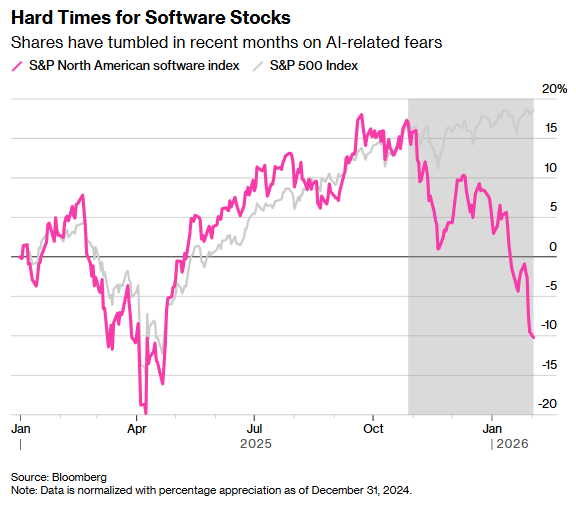
Threat of New AI Tools Wipes $300 Billion Off Software and Data Stocks (WSJ)
America’s Critical-Minerals Strategy Looks Increasingly Chinese (WSJ)
Bitcoin-Led Crypto Rout Erases Nearly Half a Trillion in a Week (BBG)
Nvidia Nears Deal to Invest $20 Billion in OpenAI Round (BBG)
The Weekly Brief
Trump Unveils $12 Billion Mineral Reserve to Counter China
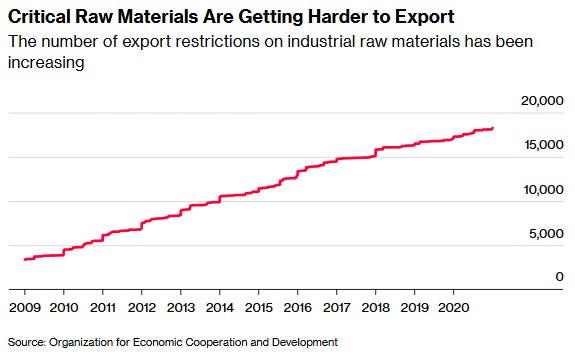
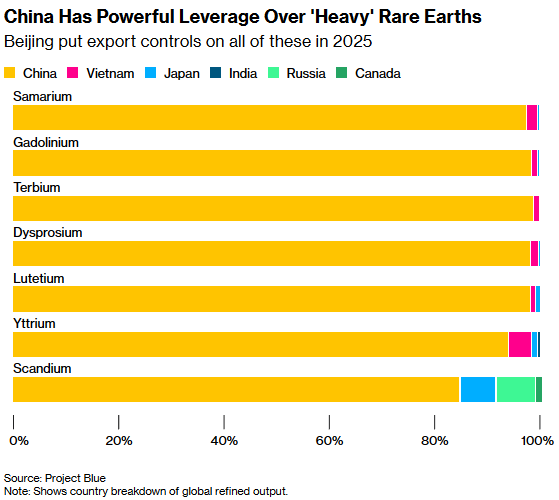
This week, President Trump unveiled a $12 billion strategic stockpile for critical minerals designed to end US reliance on Chinese rare earths. The initiative will hoard essential materials like gallium, cobalt, and lithium used in everything from jet engines to iPhones.
The project is backed by a historic $10 billion loan from the US Export-Import Bank, combined with $2 billion in private capital. By creating this massive buffer, the administration aims to insulate American manufacturers from the kind of trade wars and supply shocks that paralyzed the sector last year.
The program operates as a public-private partnership with heavy hitters like GM, Boeing, and Google already onboard. Participating firms pay upfront fees to access a “shopping list” of materials, which are then procured and stored by top commodity traders.
Companies can draw down their specific reserves during shortages, provided they replenish them later at fixed costs. With a major minerals summit in Washington set for Wednesday, the reserve is expected to expand into a global alliance with partners from the EU and Australia.
Elon Musk Merges SpaceX and xAI into a $1.25 Trillion Powerhouse
Elon Musk has officially combined SpaceX and xAI in an all-stock deal that values the new entity at a staggering $1.25 trillion, positioning it as the world’s most valuable private company.
The merger values SpaceX at $1 trillion and xAI at $250 billion, creating what Musk describes as a “vertically-integrated innovation engine” designed to dominate everything from orbital rockets to AI-driven scientific discovery.
The move is a strategic play to fuel xAI’s massive $1 billion monthly burn rate by tapping into the burgeoning cash flow of the Starlink satellite network. Furthermore, the combined company is still on track for a historic IPO later this year, which could raise a record-breaking $50 billion.
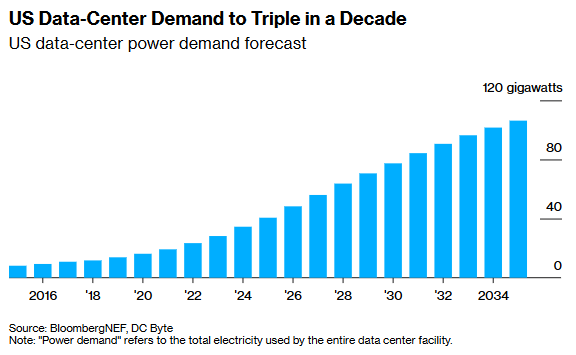
The core rationale behind this merger is Musk’s conviction that space will become the most cost-efficient location for AI data centers within the next three years. To realize this, SpaceX has already filed to launch as many as one million satellites to support massive AI training and processing.
However, the integration faces significant hurdles as the two entities must remain operationally distinct to comply with international defense and technology-sharing regulations.
“Trump Homes”: The $250 Billion Rent-to-Own Pitch
Major US homebuilders, led by Lennar and Taylor Morrison Home, are pitching a massive “Trump Homes” initiative designed to flood the market with 1 million entry-level houses.
The proposal centers on a public-private rent-to-own model where private investors purchase the homes and rent them to tenants.
After three years, a portion of the monthly rent payments would be credited toward a down payment, allowing families to transition into homeownership without the traditional upfront capital hurdle.
While the White House has yet to officially adopt the plan, the prospect of a $250 billion private-sector solution sent builder stocks surging by as much as 7% this week.
Private rent-to-own schemes have historically suffered from poor property management and low conversion rates. Proponents argue that with federal coordination and the “Trump” brand, this iteration of rent-to-own could finally turn the tide on the US affordability crisis.
You’ll Find This Interesting
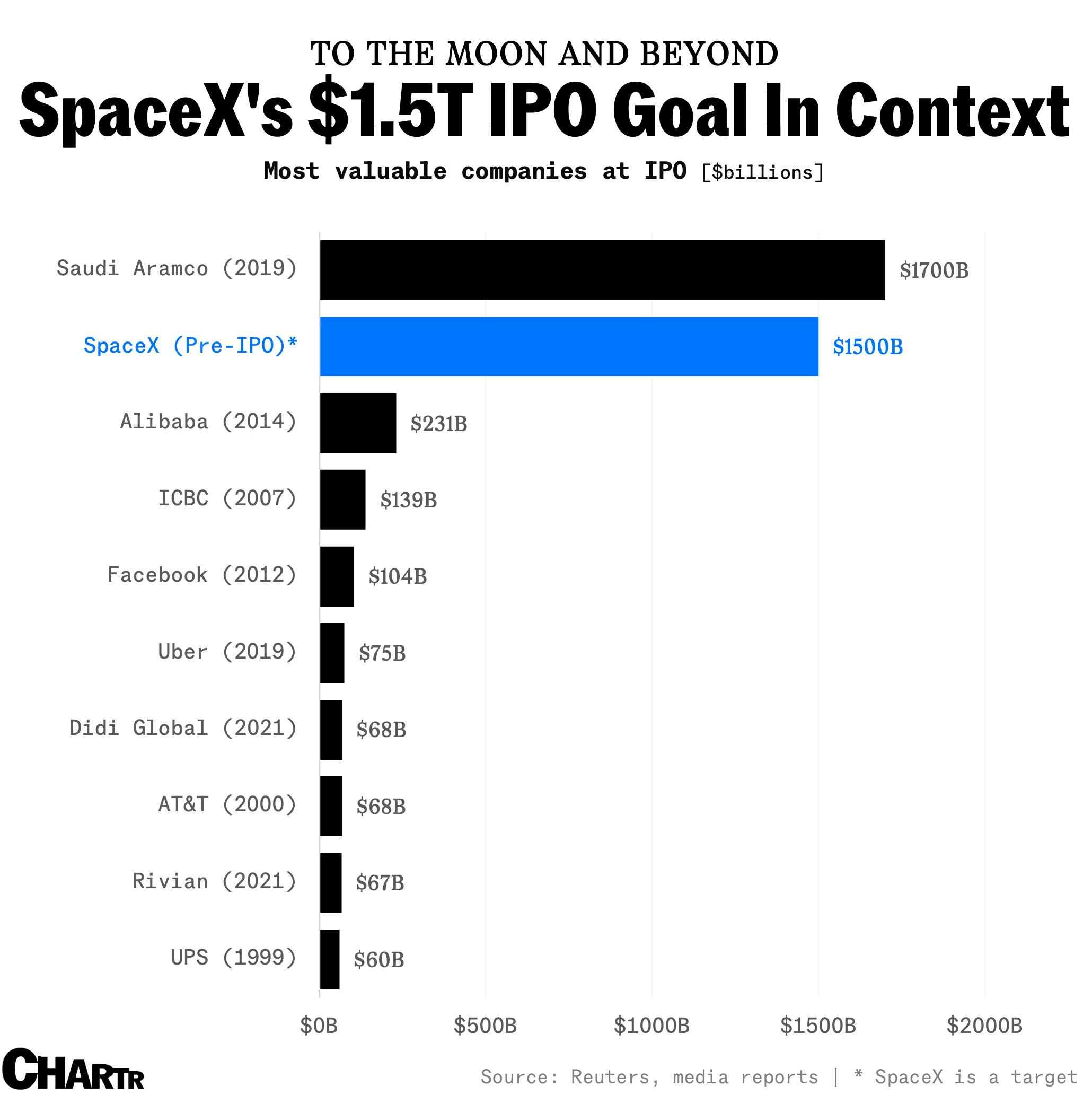
Chart of the Week
In Case You Missed It