
🌊🤖 AI Facing a Water Problem

Happy Sunday,
Humphrey here, writing this as I procrastinate from packing for my trip to Japan and Hong Kong tomorrow. I’m team “carry on” only, but for this trip I’m kind of realizing it would be nice to check-in just so that I have enough clothes for 10 days without having to visit a laundromat during the trip. My suitcase is going to be STUFFED 😥
But… good problems to have, it’s all perspective! I hope wherever you are reading this, that you are doing well and have had a very good weekend. We still have great videos planned on the channel for the next week or two, so I hope you enjoy those, and enjoy today’s newsletter.
- Humphrey & Rickie

Market Report
Supreme Court Sacks Trump’s Tariffs: A $133 Billion Legal Shockwave
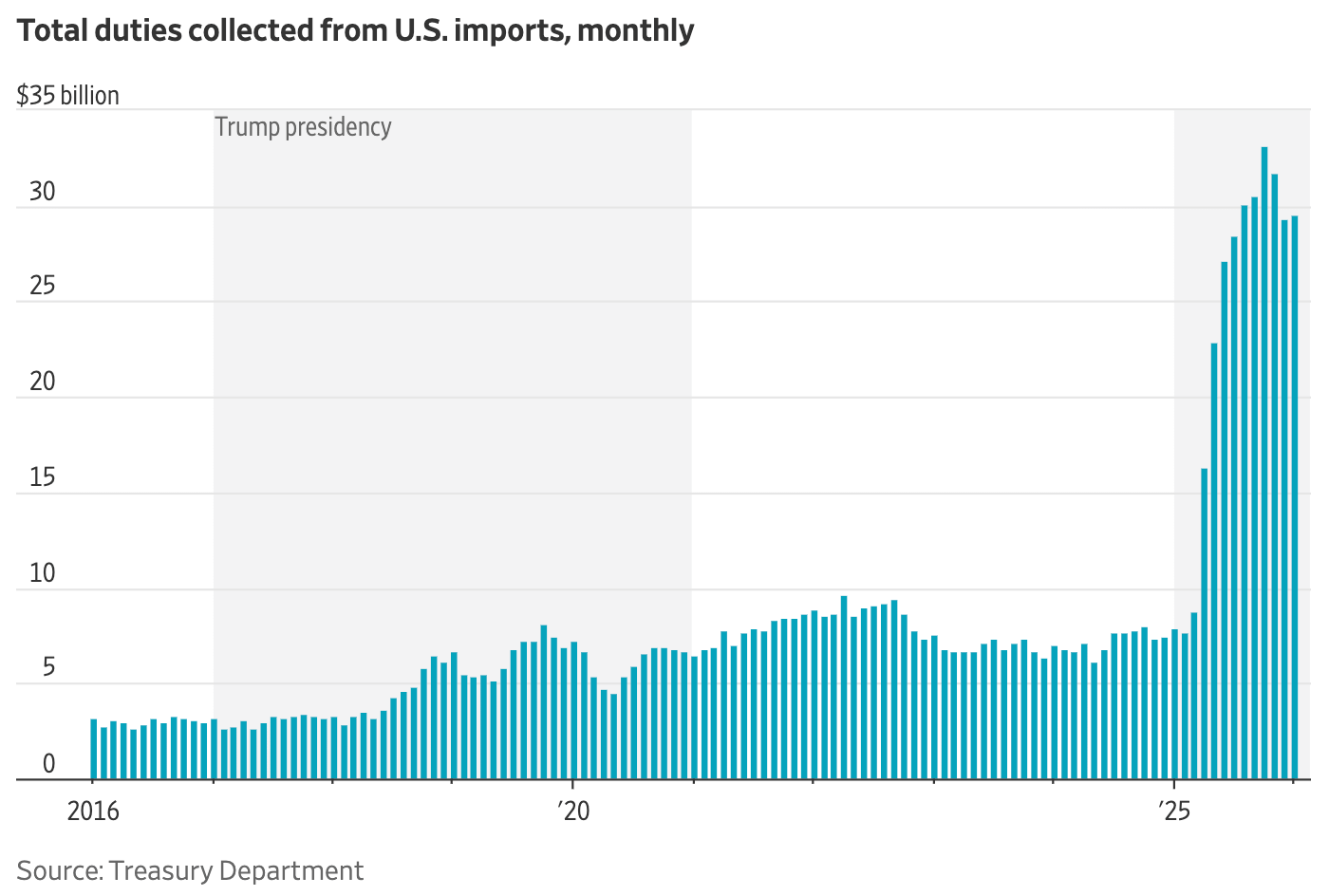
The Supreme Court dealt a massive blow to the Trump administration on Friday by striking down a vast array of tariffs imposed under the International Emergency Economic Powers Act (IEEPA). These levies, which included the signature 10% “reciprocal” global tariffs, accounted for roughly $133.5 billion in revenue, nearly 67% of all tariffs collected in fiscal year 2025.
The ruling effectively dismantles a central pillar of the administration’s economic strategy, which intended to use these funds to pay down federal debt.
In immediate retaliation, President Trump panned the decision and announced a new executive order to impose a 10% global tariff under a different legal authority.
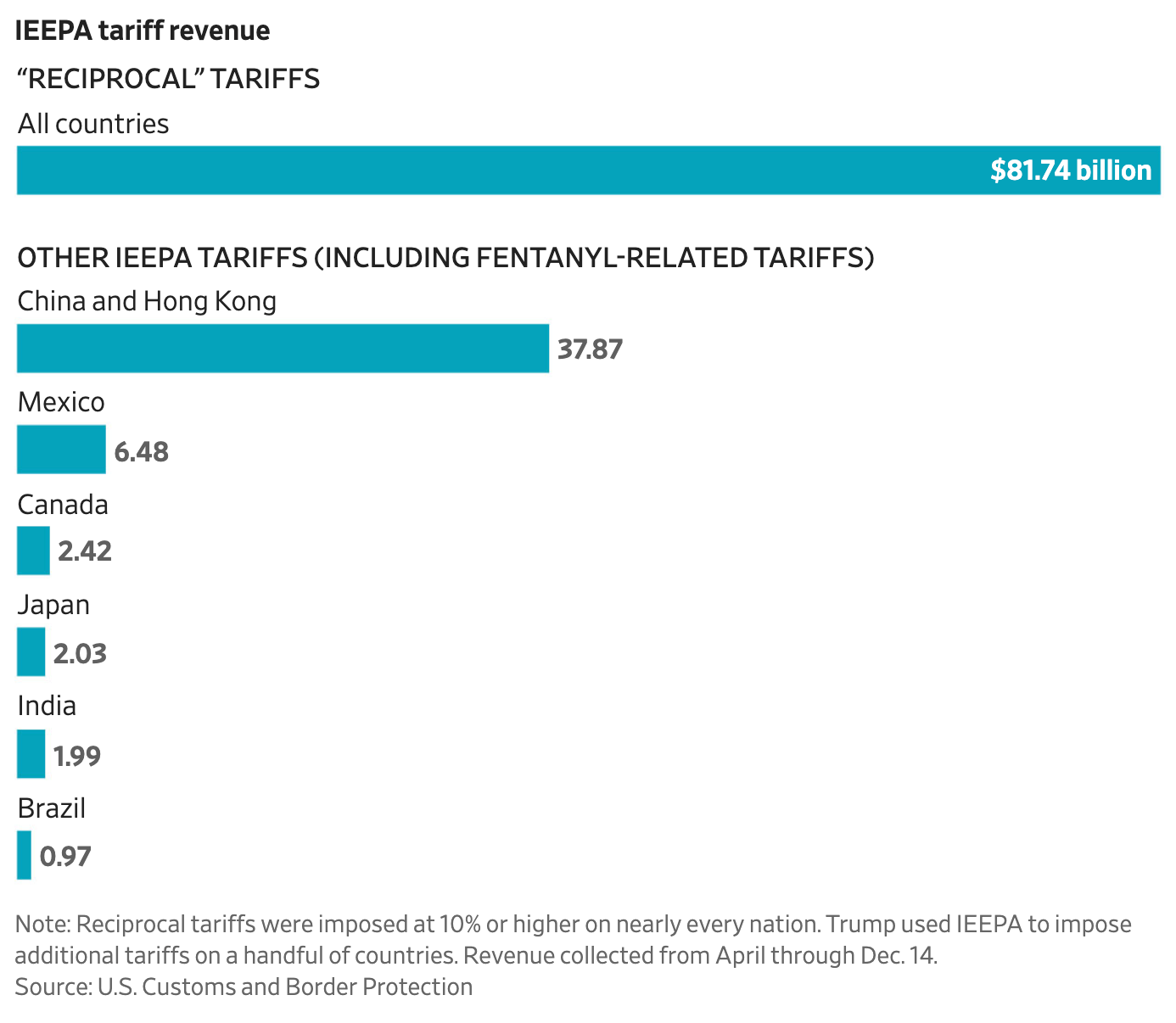
The decision has triggered a scramble for billions in potential refunds, with hundreds of firms already filing lawsuits to claw back payments.
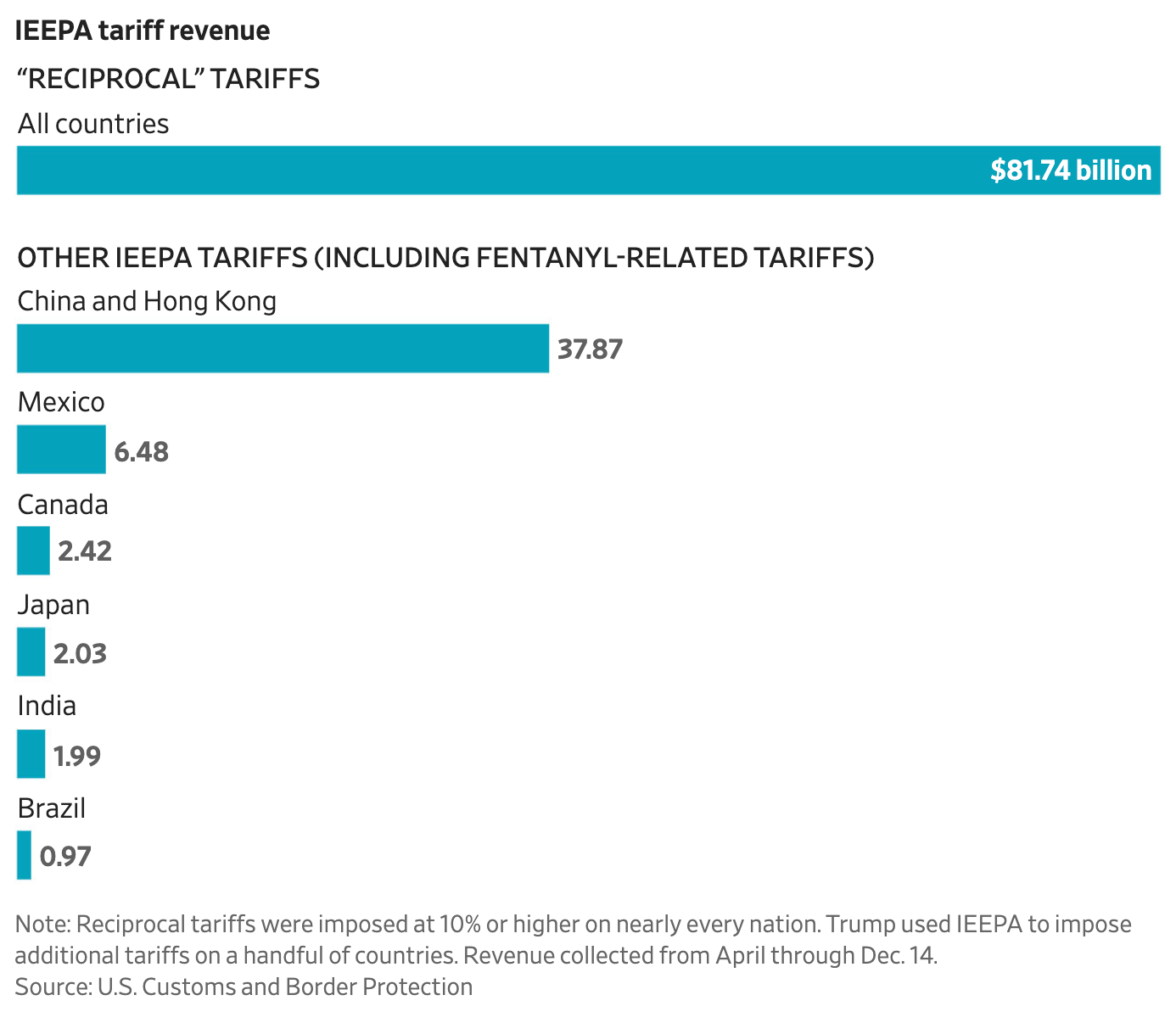
While the government collected staggering sums, including a peak of 125% duties on China, the Supreme Court provided no clear roadmap for how these billions would be returned, leaving the process to lower courts.
Data Centers’ Growing Water Crisis
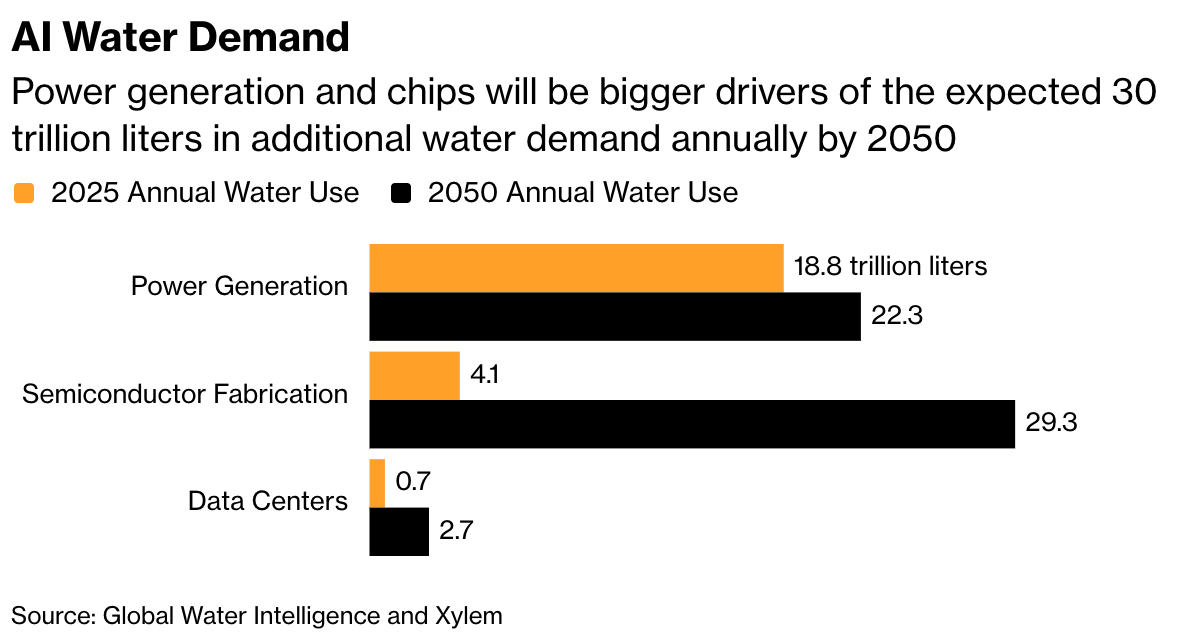
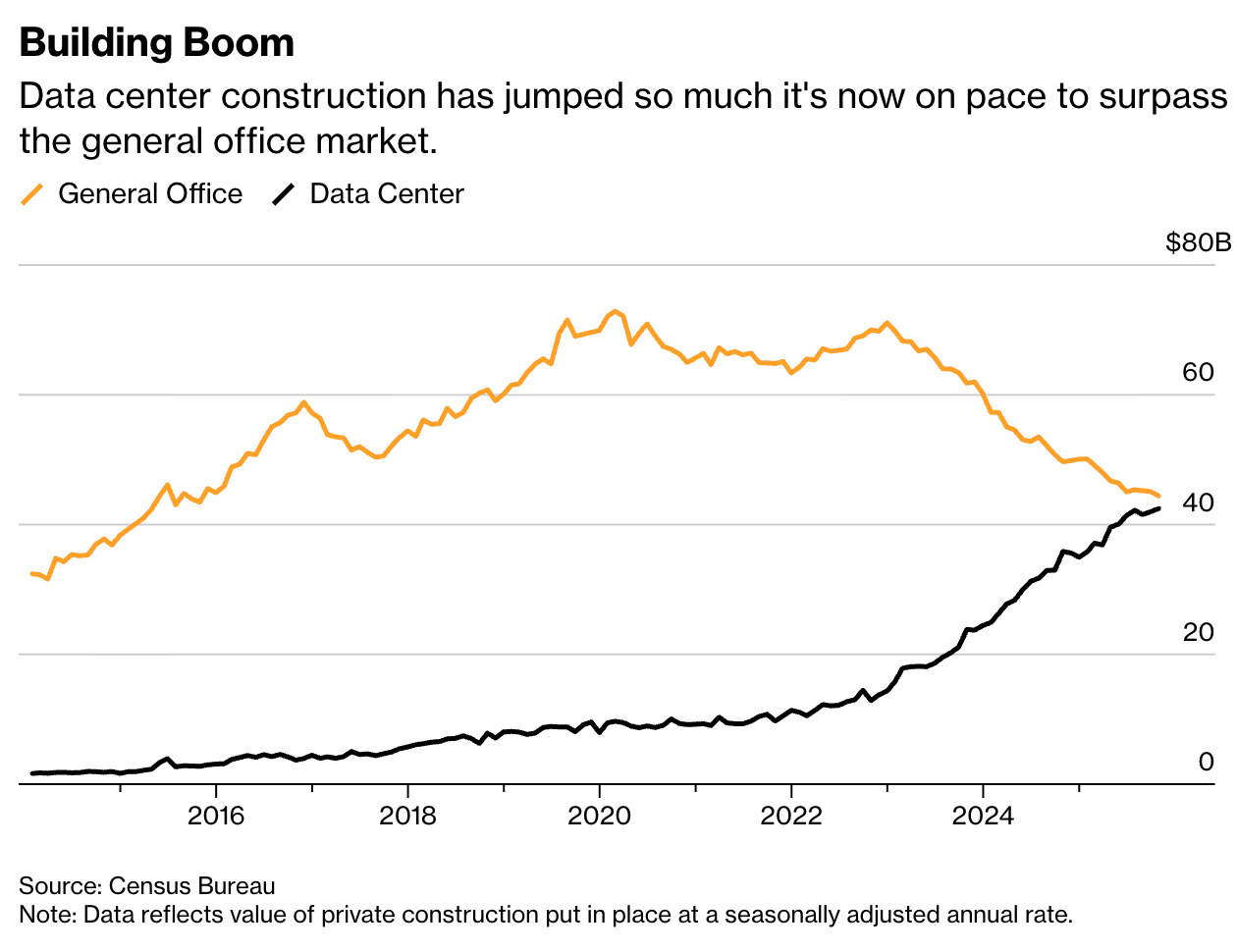
As data center development explodes to meet AI demand, the industry is facing a critical water problem that is beginning to rival energy consumption as a major regulatory hurdle.
While data centers directly account for only 4% of the projected 30 trillion liters of additional annual water demand by 2050, their indirect impact is massive: more than 60% of their water footprint stems from external power plants and chip manufacturing.
This is creating local tensions in water-stressed regions like Arizona, where a 100-megawatt facility can consume 2 million liters per day, roughly the same as 6,500 households.
To mitigate these risks, the industry is pivoting toward direct-to-chip liquid cooling and closed-loop systems that recirculate coolant rather than constantly drawing from local wells.
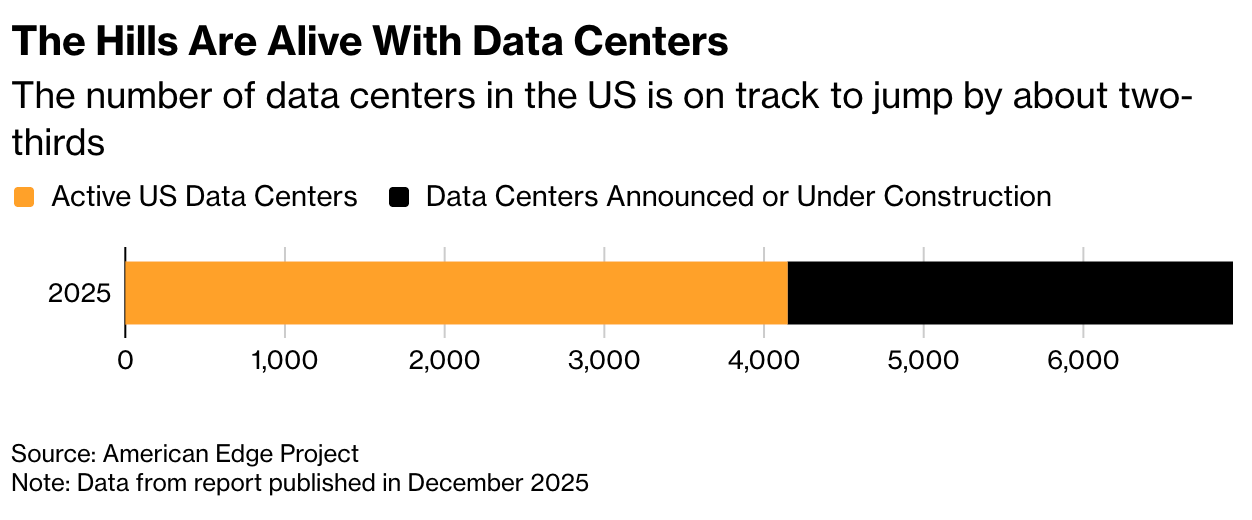
Microsoft, for instance, estimates that this shift can save 125,000 cubic meters of water per center annually. Furthermore, tech giants are increasingly investing in water-reclamation projects and leak-detection technology, such as Amazon’s digital-twin initiative in Mexico City, to offset their footprints.
However, with two-thirds of new data centers being built in water-stressed areas, experts warn that without a massive acceleration in wastewater recycling and renewable energy adoption, the industry remains vulnerable to government-mandated shut-offs during severe droughts.
US Stocks Draw Lowest Share of Global Flows Since 2020
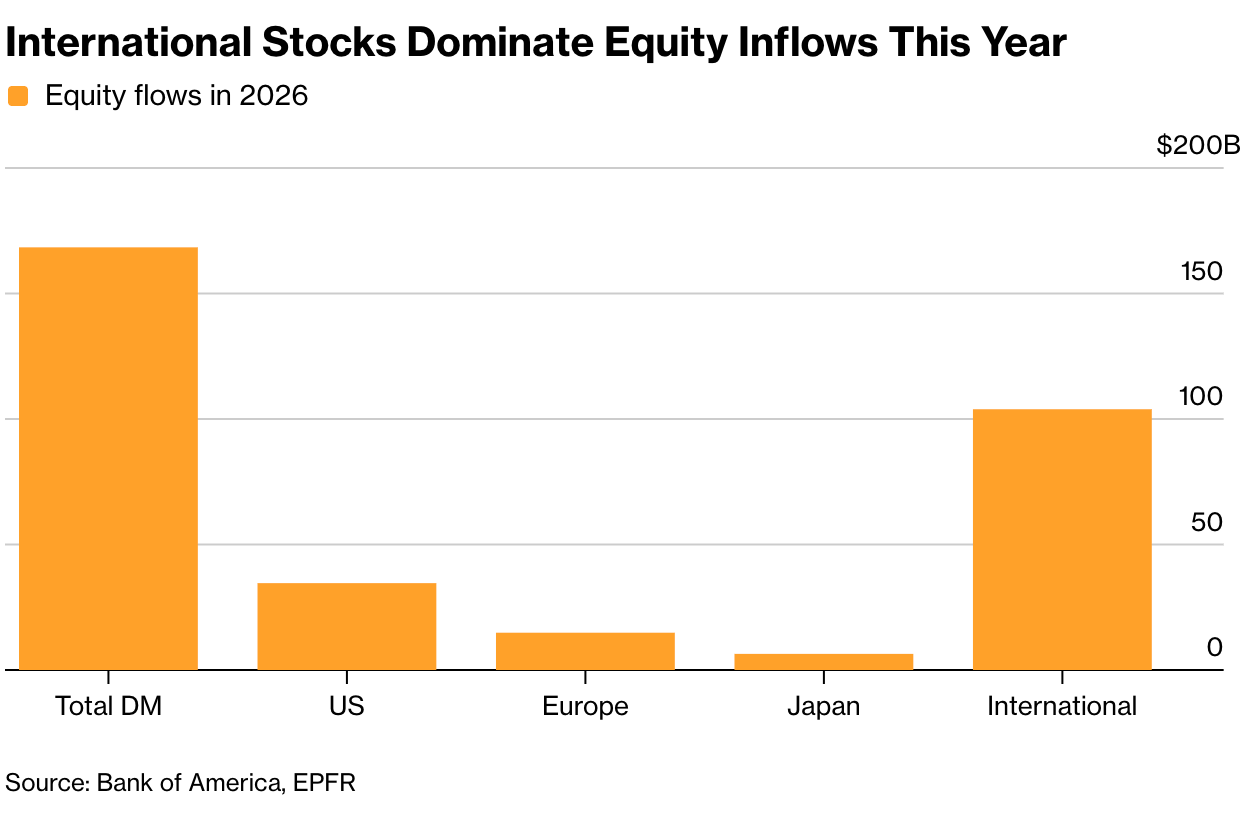
US stocks have fallen to their least favored status relative to international peers in over five years, according to Bank of America. So far in 2026, American equities have captured only $26 out of every $100 flowing into global equity funds, a staggering drop from a peak of $92 in 2022.
While US markets aren’t seeing massive outflows, the “US exceptionalism” narrative is fading as the S&P 500 remains virtually flat for the year.
In contrast, international developed markets in Europe and Japan have surged, attracting $125 billion in inflows compared to just $35 billion for the US, outperforming their American counterparts by roughly 8%.
This rotation is driven by a triple threat of investor concerns: skepticism over excessive AI capital expenditure by Big Tech, a weakening US dollar influenced by Trump administration trade policies, and a strategic shift toward cyclical stocks that thrive in a broadening global recovery.
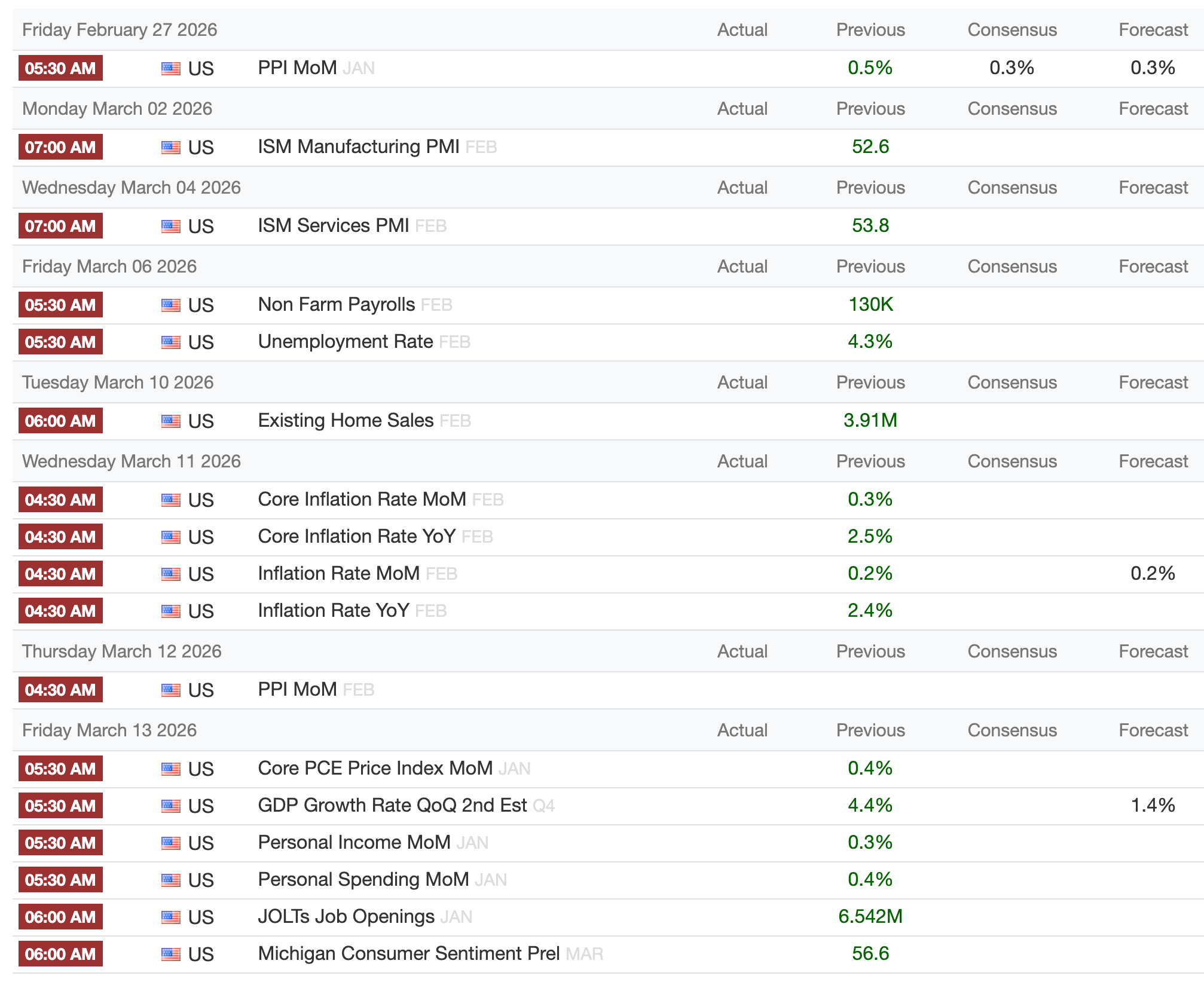
Forecast Ahead
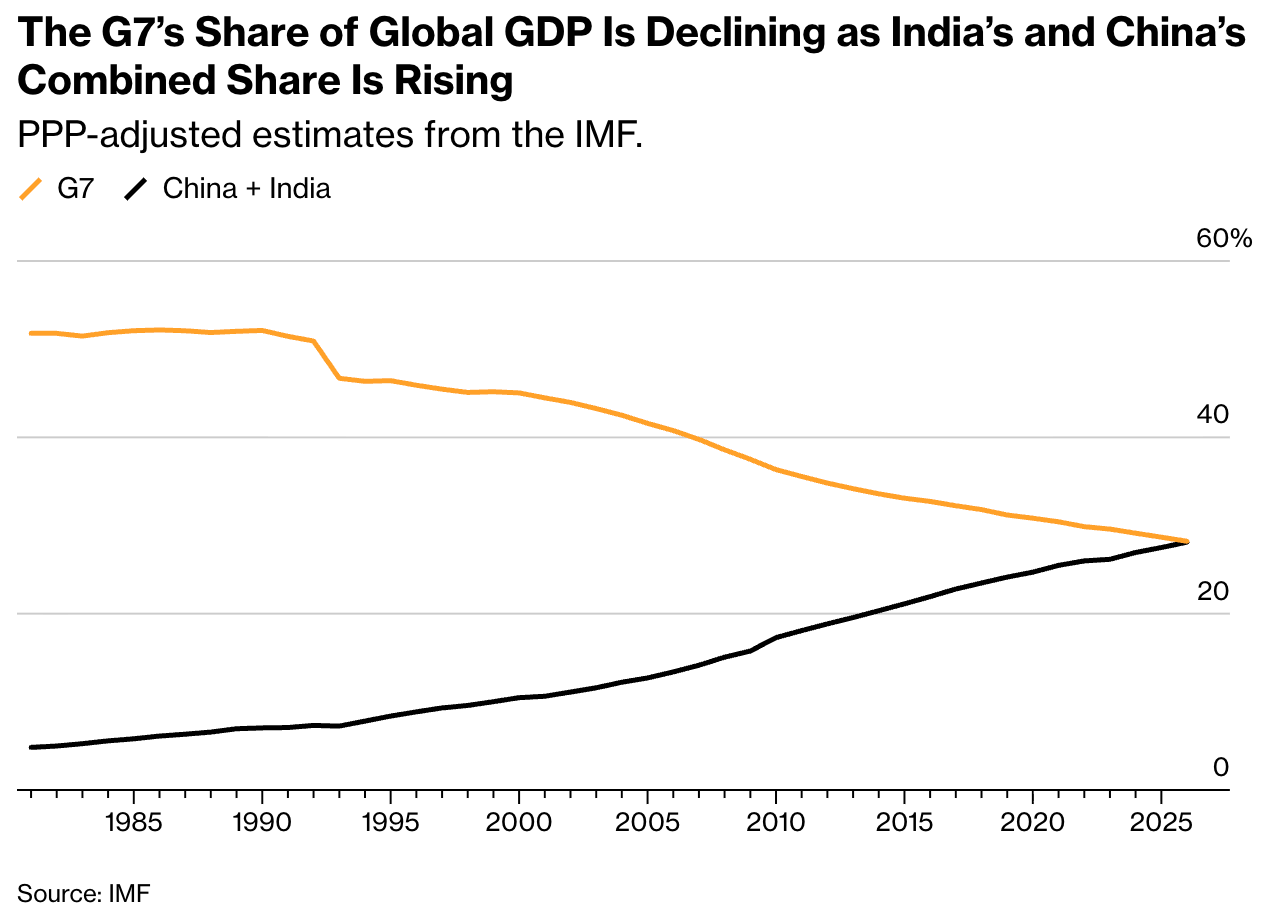
Big Number
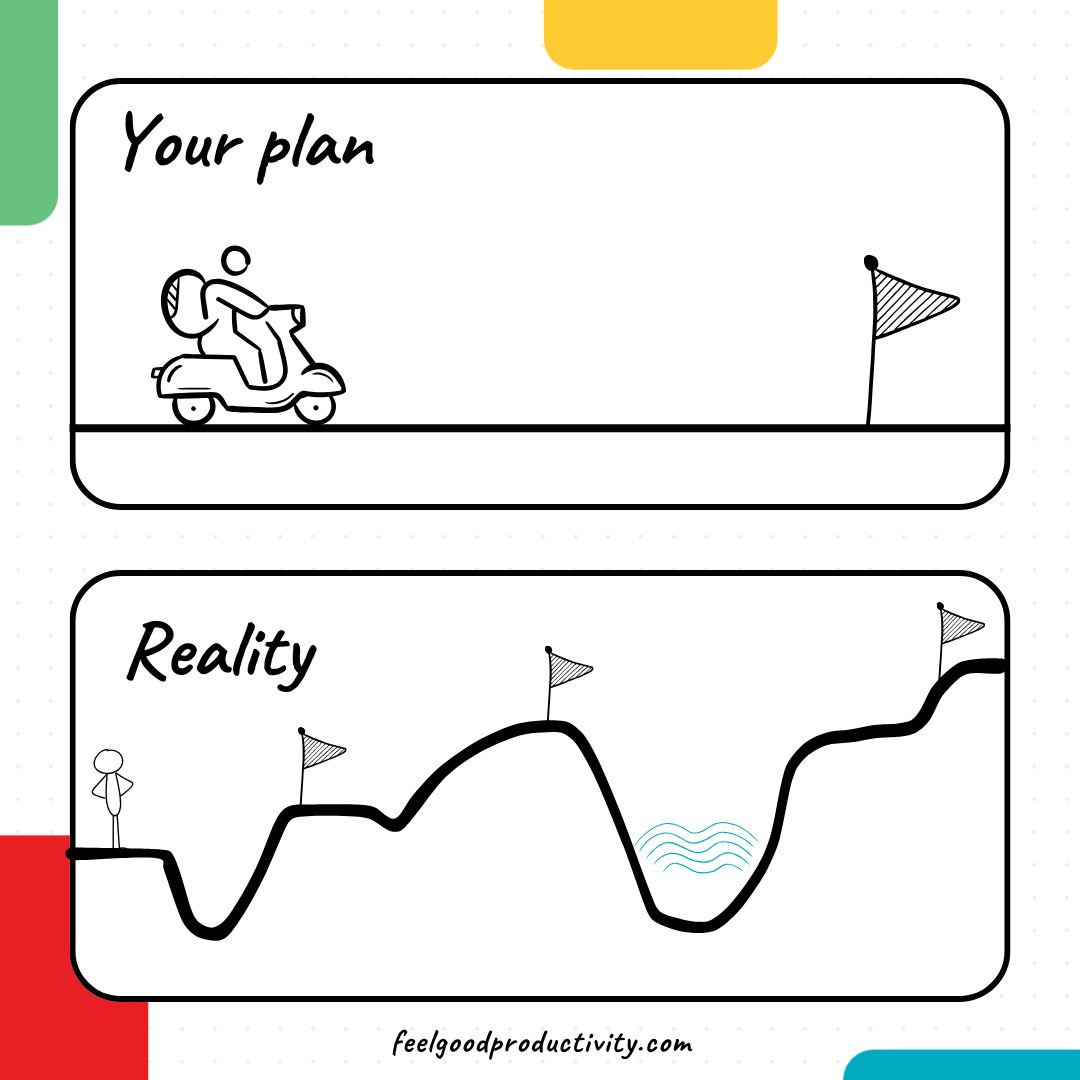
Overcome the Sunday Scaries
In Case You Missed It